











Five hours to get out with a written scene
How it works
The idea behind the masterclass is simple and unusual: no one speaks while the rest listen. As in a script room, the theory is laid out on the table, applied to what each of us has in hand, and discussed in a group. Clips from finished films are shown to understand where the rules work and, above all, in what cases it is advisable to break them.
You start with the uncomfortable question of what I want to tell and why, and then move on to the point of view, character development, conflict, and the scene as a narrative unit. In the end, format, software, and the actual path of a screenplay: logline, synopsis, treatment, and outline. Five hours later, everyone leaves with a three-page scene written and commented on.

Who are they?
Marina Maesso and Casandra Macías Gago have been working together for years. They have written fiction for directors like Fernando Colomo o Eduardo Casanova, a documentary for María Antón Cabot, and they have served as script doctor and story editor on projects such as Lionel (Carlos Saiz) or The weekends (Alicia Moncholí). They have been on selection committees for public and private grants, including the ECAM Incubator. Now they are directing and writing their first feature film, ULTRA EVERYTHING, which is part of the homonymous short film and premieres on Sitges 2026.
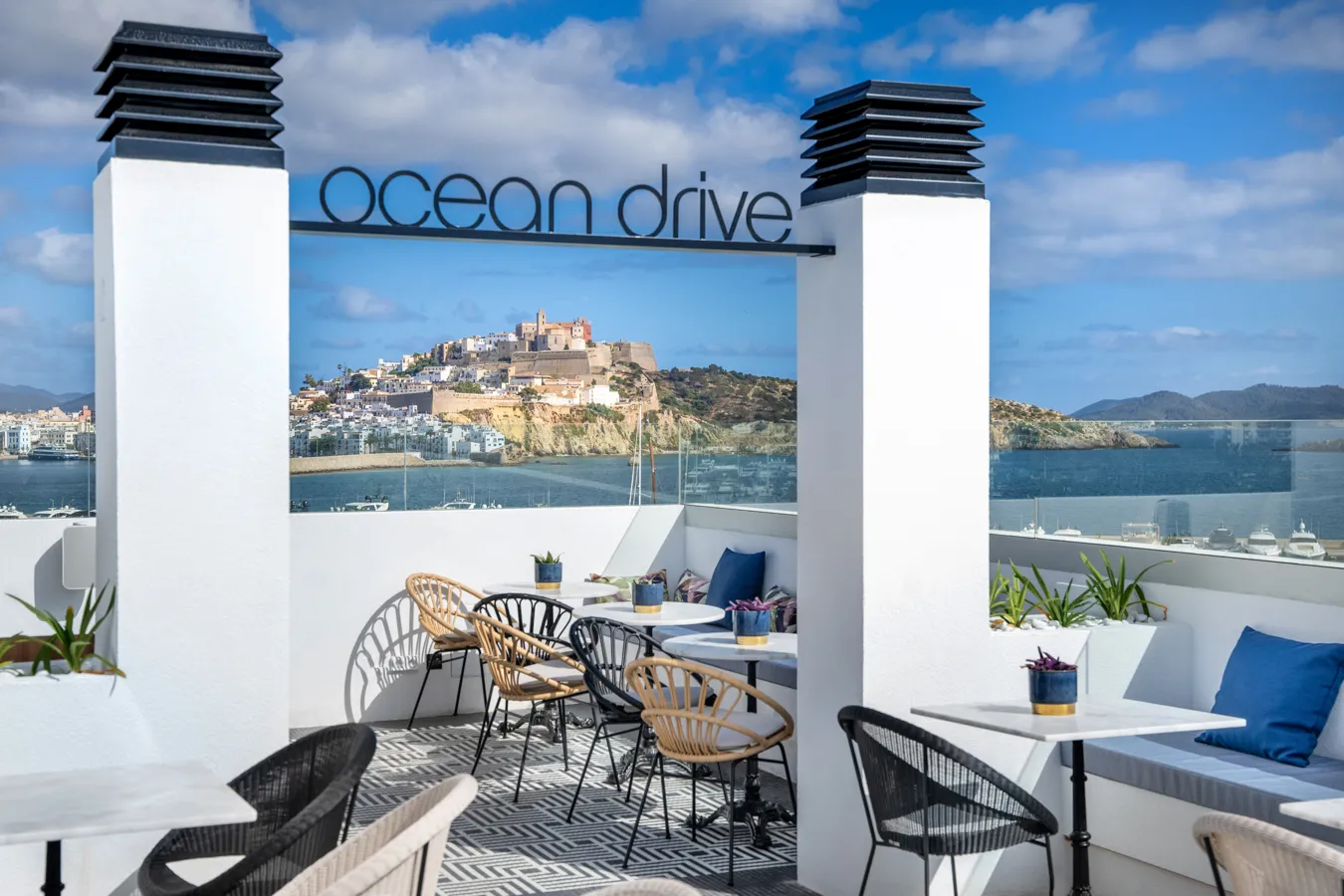
They are script analysts in the Original Production department of HBO Max Spain and write their own work in parallel. On Friday, October 16, they set up a script room in the Ocean Drive Madrid coworking space for twelve people, together with Ibicine.
What we will see
Introduction
Idea, premise and format. «What it’s about» versus «what it talks about.» Theme, conflict and perspective. What emotions do you want to evoke in the viewer?.
Point of view
Who looks, who knows, who counts. Protagonist is not the same thing as a point of view. Identification and the point of view as a decision.
Characters and conflict
Internal and external conflict. Active character versus reactive character. Transformation arc.
The scene
Text and subtext. Objective, conflict, and how a scene ends.
Writing
Format, software and tools of the trade: logline, plot and sales synopsis, treatment, screenplay.
Practice and sharing
A three-page scene written in the workshop and discussed in a group.
The writing does not end in the literary script: it continues in the filming, in the editing and in the room where the film is projected.
When and where
Friday, October 16th · 16:00 — 21:00
Co-working space · Ocean Drive Madrid · Plaza de Isabel II, 7
- 12 seats
- 5 hours
- 60 € per person
- 20-30 minute break
- Bring your project, even if it's just an idea
Good stories almost always start at a table with people around, discussing. This time the table is ours.