







Steps away from everything you want to explore
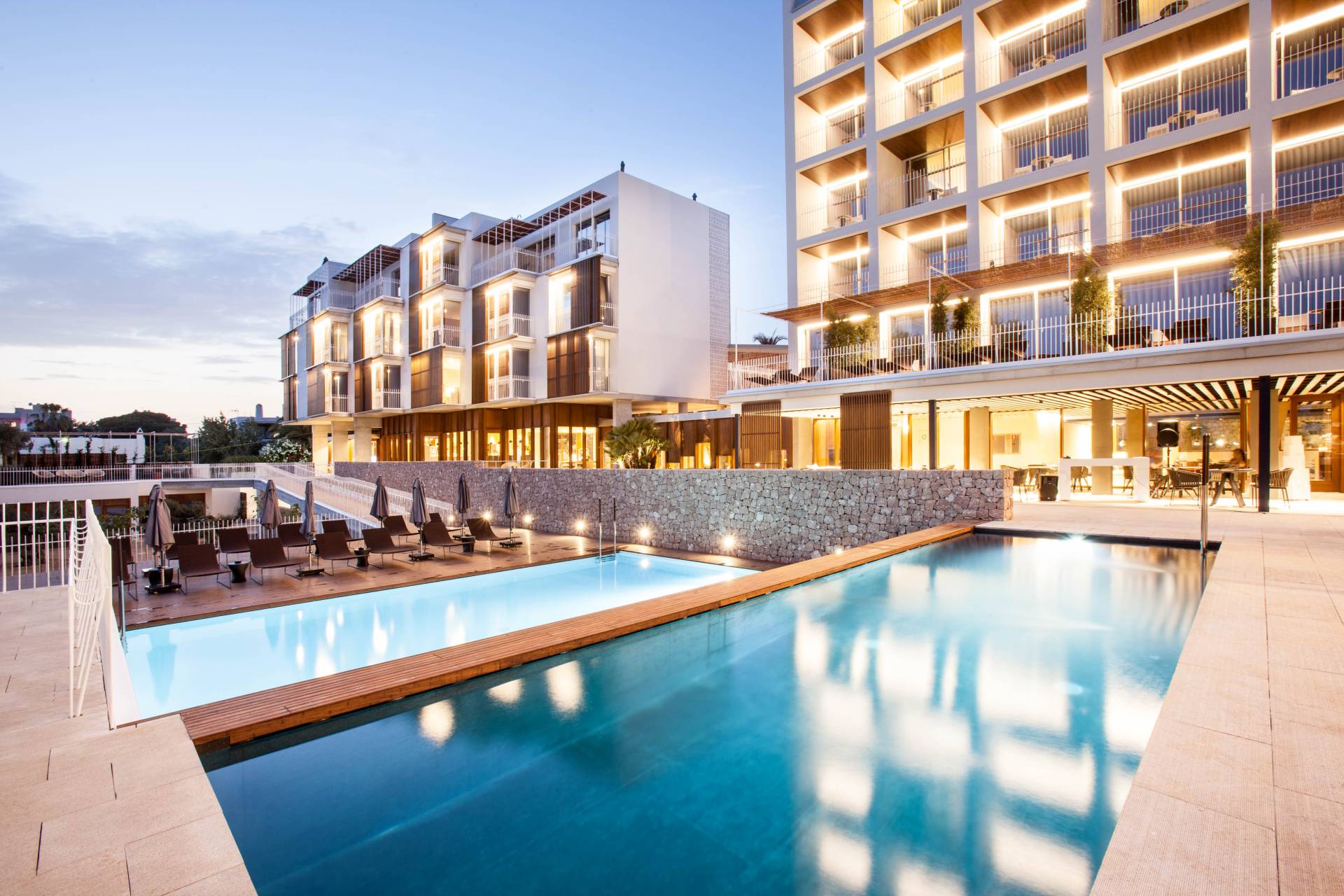
Art and culture? designer boutiques and nightlife? historical monuments and gastronomy? Whatever you are looking for, our boutique hotel in the centre of Barcelona is the perfect choice to enjoy this beautiful city at its best.
Holy Family
The Sagrada Familia is Barcelona's most emblematic symbol, dazzling visitors with its imposing modernist architecture. Conceived in 1882, this impressive basilica is still an ongoing project, with an estimated completion date of 2026. Its grandeur lies not only in its design, but also in its history, from Francisco del Villar's original plan to Gaudí's visionary transformation, which began a year later.
Casa Batlló
Casa Batlló, one of Antoni Gaudí's most famous works, has been a UNESCO World Heritage Site since 2005. Originally built in 1875, it was transformed in 1903 when Josep Batlló, a prominent Barcelona businessman, acquired the property. Relying on Gaudí's talent, the renovation that took place between 1904 and 1906 resulted in the impressive work of art we know today.
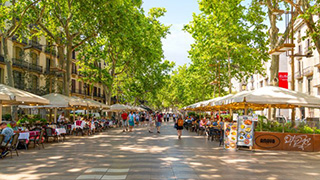
La Rambla
La Rambla is a bustling avenue and one of Barcelona's most iconic landmarks, loved by tourists and locals alike. This picturesque street, which stretches from Plaça de Catalunya to the historic Port Vell, is located in the heart of the city's old town, brimming with energy, culture and charm.
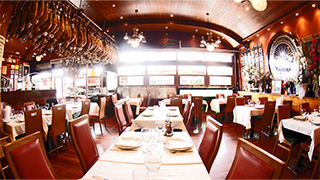
La Barca de Salamanca
The restaurant La Barca del Salamanca, located in the Olympic Port of Barcelona, is the ideal place for any type of event, a family meal, a meal with friends, business lunches or dinners, romantic evenings, group events. In La Barca de Salamanca you can enjoy a seafood-Mediterranean cuisine, where you can find succulent paellas, Cantabrian seafood, Salamanca meats, or the exquisite flavour of cured meats and the Extra Iberian Ham from Guijuelo.
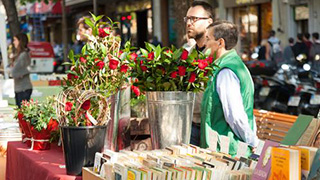
Sant Jordi
Sant Jordi is the patron saint of Catalonia and the festival is a celebration of his legend, which speaks of his bravery, courage and love. On this day, it is customary to give a rose to a loved one, as well as a book, which is a tradition dating back to the early 20th century. The streets of Barcelona are lined with bookshops and flower sellers, and people of all ages come out to enjoy the festivities.

Barcelona Cathedral
Barcelona Cathedral, located in the heart of the city, is a must-see destination known for its captivating beauty and profound historical importance. Built in the neo-Gothic style, this architectural gem took more than two centuries to complete, from the 13th to the 15th century. While the Sagrada Familia draws many eyes, the history of Barcelona Cathedral, with its 150-year construction, also deserves recognition, shaped by the vision of various architects.
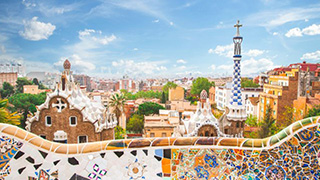
Park Güell
Park Güell is an impressive example of Antoni Gaudí's genius, originally conceived as a luxury residential area. Built between 1900 and 1914, this extensive green space fuses nature with Gaudí's characteristic modernist style. Located in the upper part of Barcelona, the park offers spectacular panoramic views of the city and has become a must-see for travellers.
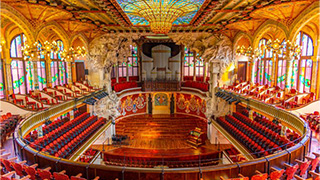
Palau de la Música Catalana
The Palau de la Música Catalana is a dazzling fusion of art, music and history, a true Modernista jewel that has held the title of UNESCO World Heritage Site since 1997. Designed by the talented architect Lluís Domènech i Montaner, this magnificent building came to life in just three years, from 1905 to 1908, commissioned by the Orfeó Català.